Designing a magical holiday home starts with recognizing common christmas light mistakes that can disrupt your seasonal aesthetic and cozy room layout. When arranging decorative strands alongside rich textures like woven linen, soft boucle, and warm reclaimed wood, striking the right balance in your ambient lighting temperature is essential. Incorporating earthy color palettes with pine greenery and brushed brass accents creates an inviting glow without harsh glare or tangled cord clutter. How do you bring warmth into your living spaces while keeping your festive decor safe, balanced, and beautifully styled?
Table of Contents
- 1. Architectural Roofline Illumination Pitfalls
- 2. Porch Seating Light Harshness
- 3. Horizontal Trim Wire Visibility
- 4. Unbalanced Perimeter Window Frame Stringing
- 5. Pulling and Forcefully Stretching Tangled Light Strands
- 6. Overloading Single Power Strips Behind Hearth Decor
- 7. Essential Decor Takeaways
- 8. Frequently Asked Questions
1. Architectural Roofline Illumination Pitfalls
1. Architectural Roofline Illumination Pitfalls
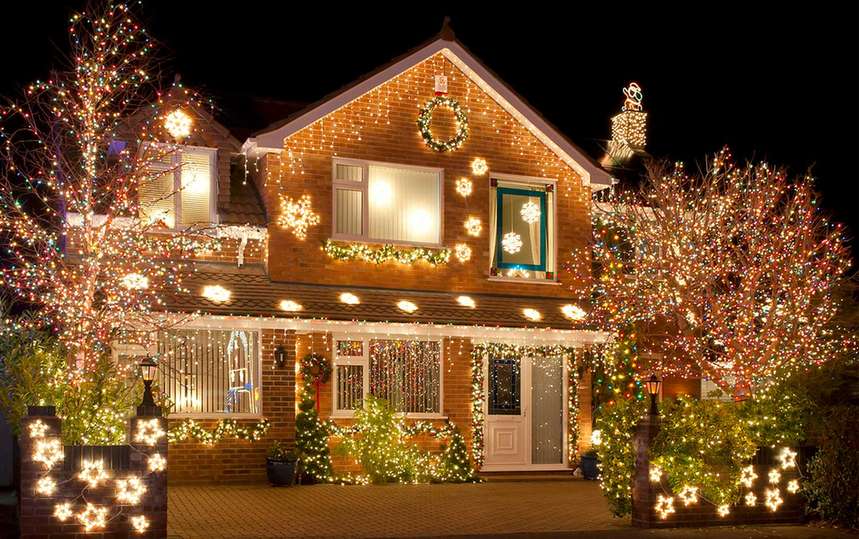
Avoiding major christmas light mistakes starts along the roofline where mismatched bulb sizes and sagging wires ruin architectural lines. To maintain an elegant look, choose single-temperature 2700K warm white LED lights paired with clean slate grey or matte black roof clips that blend into fascia boards. Enhance the home entrance with complementary natural wood accents, textured stone surfaces, and structured pine greenery to ground the bright ambient glow.
Secure light strands with specialized roof gutter clips rather than staples to prevent wire damage and moisture issues. For small spaces or subtle facades, select micro-C9 bulbs that provide proportionate scale without overwhelming the architectural features.
2. Taming Untangled Strand Clusters
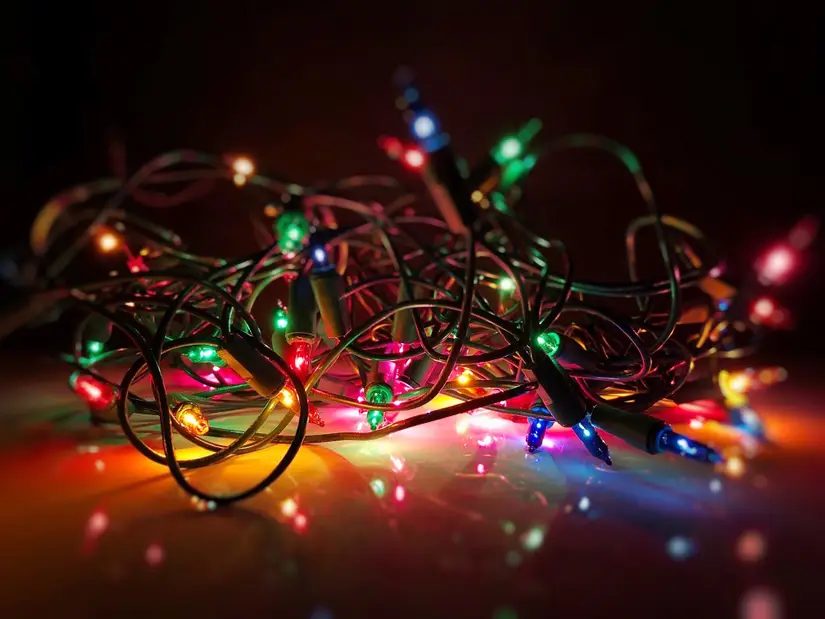
One of the most frustrating christmas light mistakes is draping tangled, knotted light strands over furniture and mantel displays. In an inviting sitting area, smooth out string lights before styling them alongside soft beige boucle upholstery, raw oak tables, and linen throw pillows. Maintaining a cohesive 2700K warm glow highlights the organic textures of your interior furniture without creating messy cord visual clutter.
Wrap strands onto cardboard spools or storage reels before installing them across living room shelving. Hide extension cords behind furniture legs using color-matched wire clips to keep high-traffic floor pathways tidy and safe.
3. Icicle Light Scale and Proportion Errors
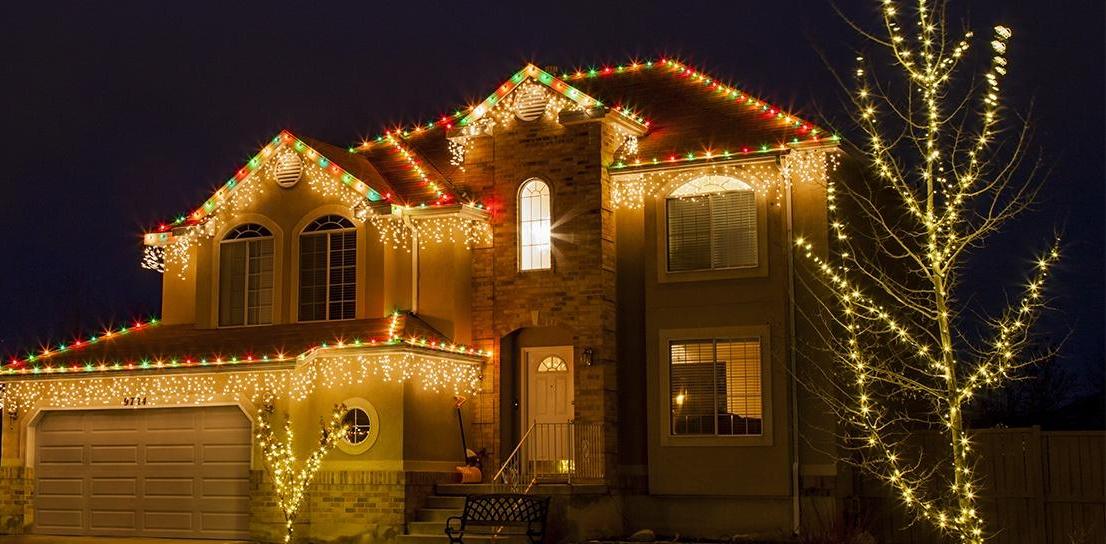
Uneven strand lengths and erratic spacing represent common christmas light mistakes when hanging icicle lights across interior archways or porch railings. Pair cascading lights with deep green cedar garland, matte brass candleholders, and rich velvet ribbons to balance the vertical drops. Setting your ambient lighting to a soft, dimmable warm tone prevents the icicles from casting harsh, cold shadows across stone or plaster walls.
Measure your mantel or beam drop dimensions before hanging to ensure the lowest icicle tip clears seating areas. Use clear adhesive clips along wood molding to maintain an even, professional drape without damaging paint.
4. Roofline Color Temperature Mismatches
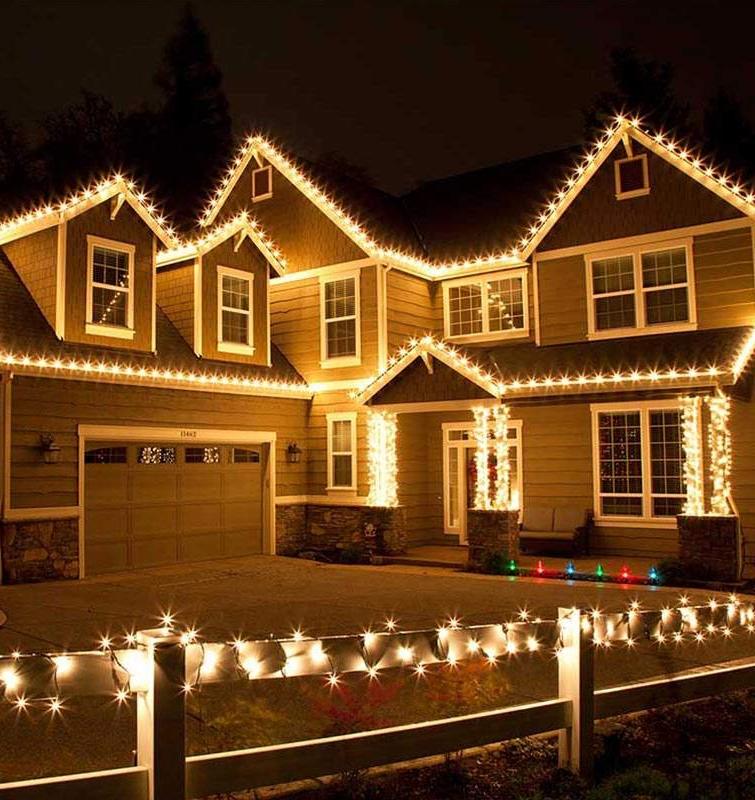
Mixing cool blue LEDs with warm amber strands along exterior fascia and living room windows is a prime christmas light mistakes example that disrupts visual harmony. Align your color palette by sticking to a unified 2700K warm white output, complementing red brick, dark charcoal trim, and warm wood entry doors. This cohesive lighting warmth unifies indoor window displays with outdoor trim, amplifying the curb appeal of your living space layout.
Check bulb Kelvin ratings on every box prior to installation to ensure precise color matching across all strands. Replace mismatched cool bulbs with warm frosted LED alternatives for a seamless, cozy evening glow.
5. Coastal Living Room Cord Management
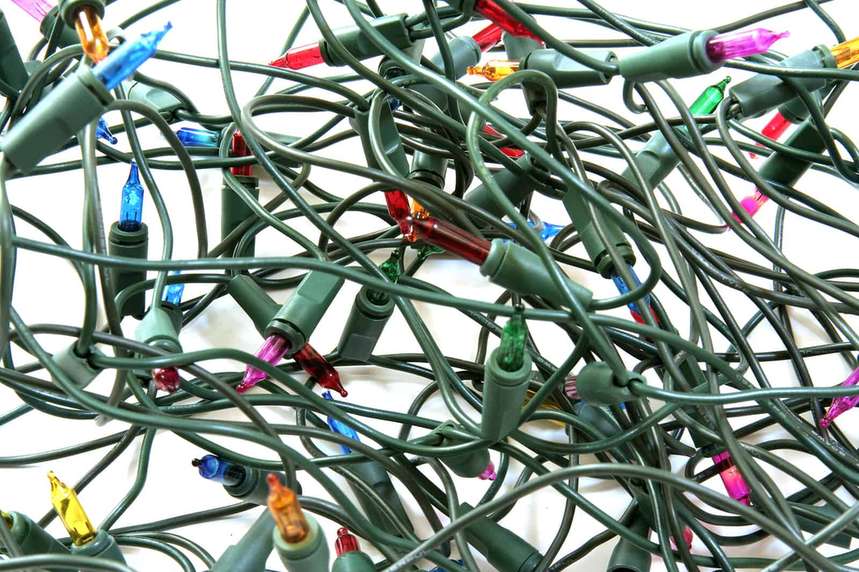
Allowing bright green extension cords to snake across light hardwood floors is among the top christmas light mistakes in coastal interiors. Counter balance woven rattan furniture, bleached oak tables, and washed linen sofas with clear or white wire strands that blend into light walls. A soft, warm ambient light temperature reflects off sandy beige and soft indigo accents, maintaining an airy, clutter-free room arrangement.
Hide main floor cords behind rug runners or utilize low-profile cable raceways painted to match baseboards. Choose battery-operated LED fairy lights with built-in timers for accent trays and console displays to eliminate wall plugs entirely.
6. Mantel Icicle Lighting Balance
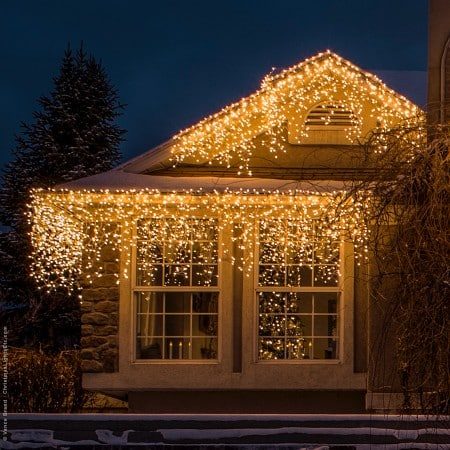
Overloading fireplace mantels with dangling icicle strands creates top-heavy visual weight, marking a frequent christmas light mistakes choice. Harmonize your hearth by tucking light strands deeply within dense silver dollar eucalyptus and frosted pine branches above stone surrounds. The warm light output should softly illuminate natural wool stockings, brushed copper accents, and ceramic trees without blinding guests seated nearby.
Space icicle strands evenly across the mantel front using heavy-duty mantle hooks wrapped in floral wire. Stagger greenery heights to conceal light wire connections and create depth across your fireplace arrangement.
7. Grand Entryway Over-Illumination
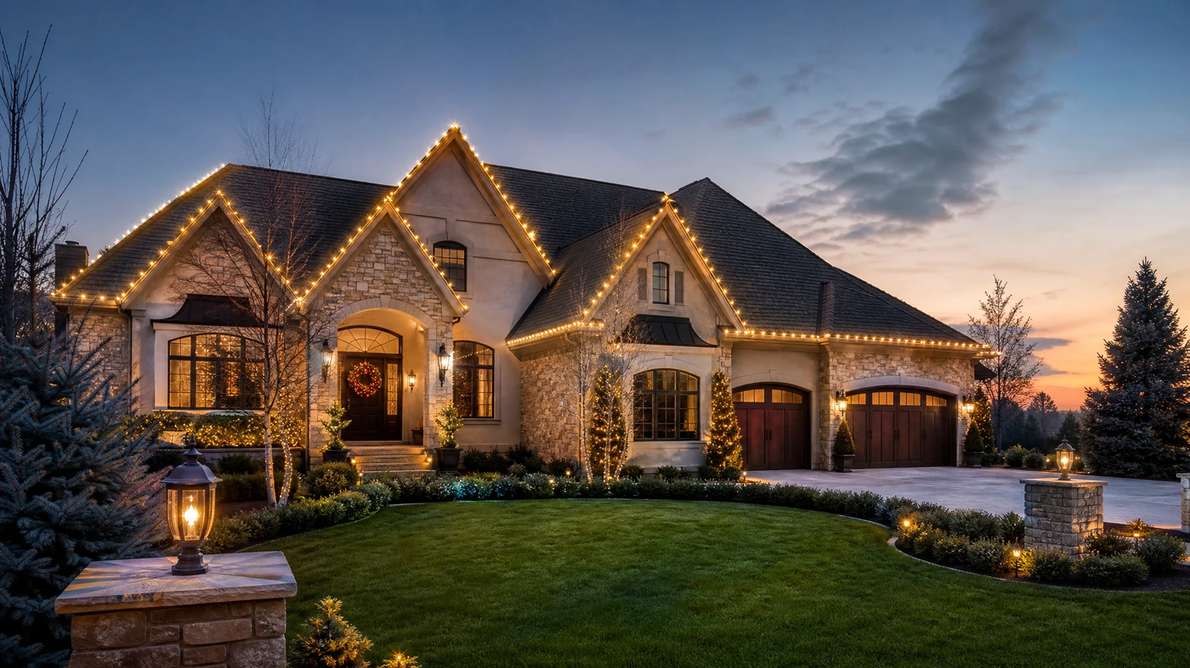
Installing excessively bright spotlights at grand front entrances leads to harsh glare, a noticeable christmas light mistakes outcome. Soften grand architectural doorways with warm LED strand framing, rich mahogany doors, matte black lanterns, and heavy magnolia leaf wreaths. Maintaining an ambient 2700K lighting temperature establishes a welcoming atmosphere that naturally bridges outdoor curb appeal with interior entryway design.
Use inline dimmer plugs to adjust brightness levels according to the time of evening and natural dusk light. Select dimmable LED strands that retain their warm color profile even when turned down for late-night ambiance.
2. Porch Seating Light Harshness
8. Porch Seating Light Harshness
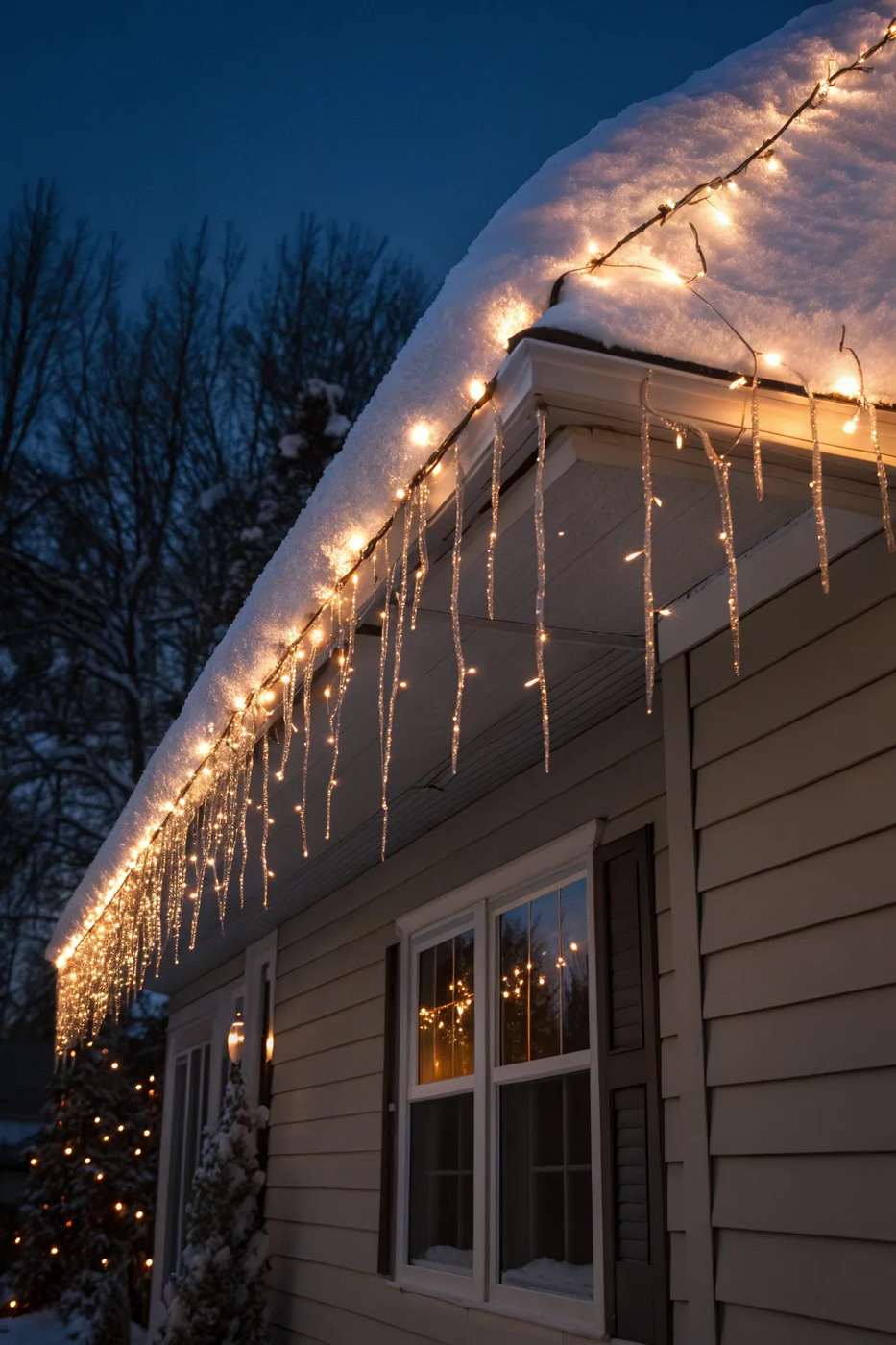
Pointing raw, exposed bulbs directly toward porch seating creates intense eye strain, an easily fixable christmas light mistakes scenario. Surround teak benches and weather-resistant wicker chairs with indirect mini-lights woven through thick fir garland or placed inside frosted glass lanterns. Pair these lights with terracotta pots, deep green throw blankets, and woven jute rugs to cultivate an earthy color palette and inviting seat layout.
Position light strands behind furniture frames or along the underside of porch railings for soft reflection. Choose shatterproof LED bulbs to endure outdoor temperature swings while maintaining safety around outdoor upholstery.
9. Over-Wrapped Accent Trees
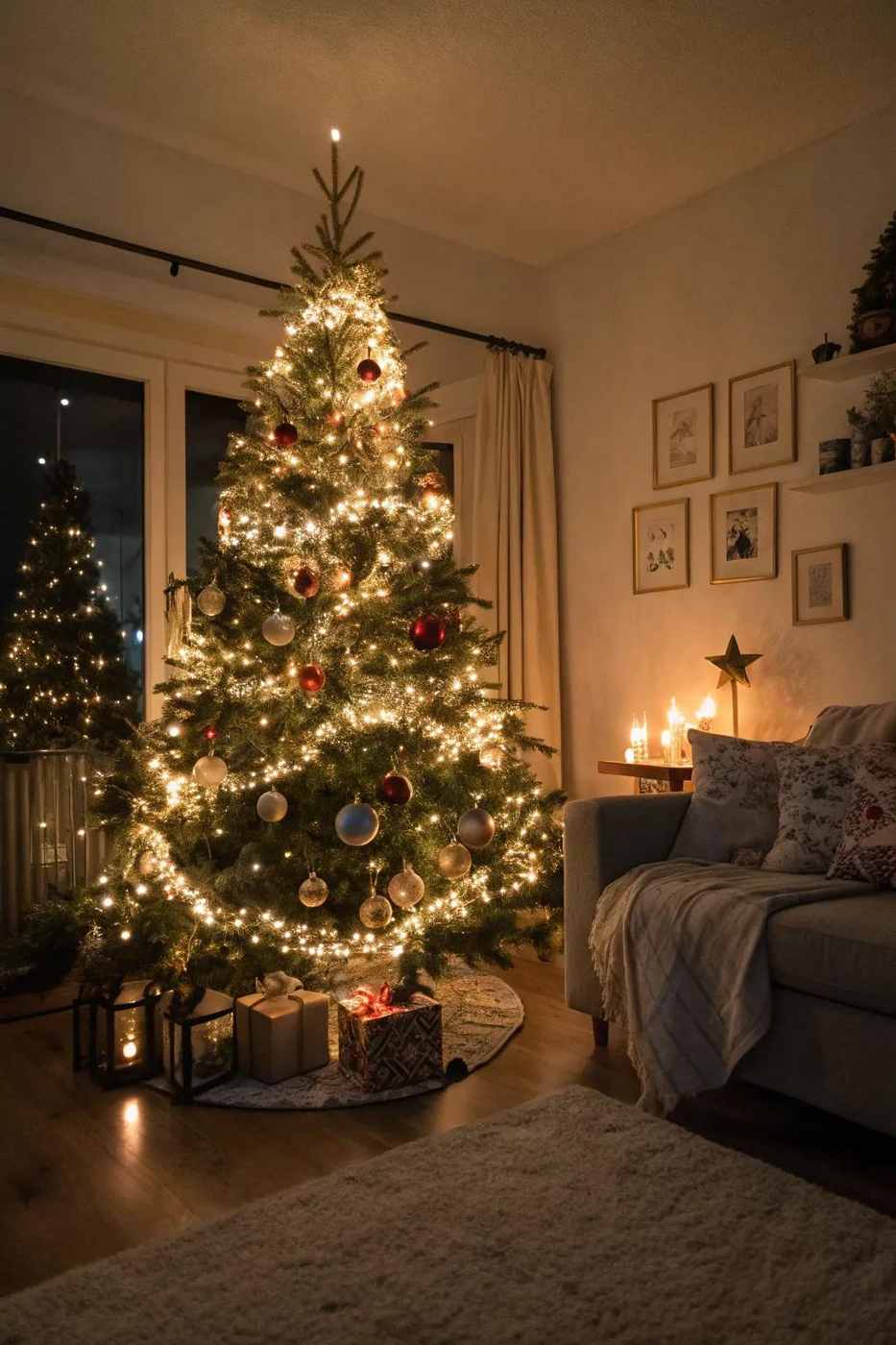
Tightly wrapping mini trees until branches are crushed under wire tension represents one of the most common christmas light mistakes. Allow the natural shape of potted evergreens to shine by loosely guiding warm white lights from the trunk outward along major branch limbs. Accentuate the natural greenery with raw terracotta planters, linen ribbon, and rustic wooden stars to maintain an organic Japandi aesthetic.
Work from the base upward, leaving two to three inches between wire wraps to prevent foliage constriction. Utilize thin brown or green copper wire micro-lights that blend effortlessly into bark textures during daylight hours.
10. Walkway Border Lighting Clutter
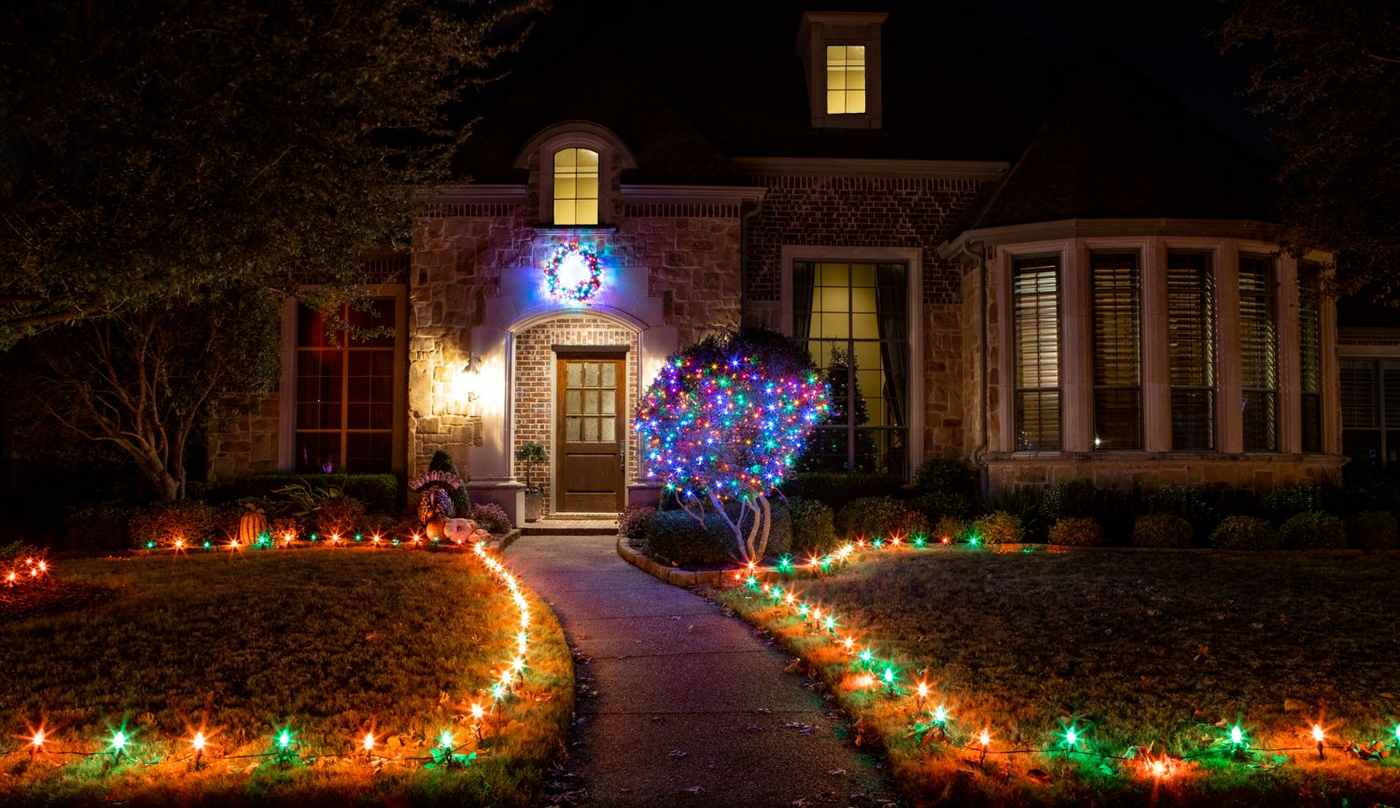
Placing pathway light stakes at uneven heights and erratic angles creates a disorganized look, standing out as key christmas light mistakes. Align pathway border lights cleanly alongside flagstone walkways, dark wood mulch beds, and dwarf evergreen shrubs. Choosing low-voltage warm LED stakes produces a ground-level ambient glow that highlights landscape textures without overpowering nearby window displays.
Use heavy-duty plastic ground stakes driven into thawed soil to keep light fixtures strictly vertical. Space stakes exactly eighteen to twenty-four inches apart to establish a steady, balanced visual rhythm up to the front entrance.
11. Vertical Proportion Ceiling Lights
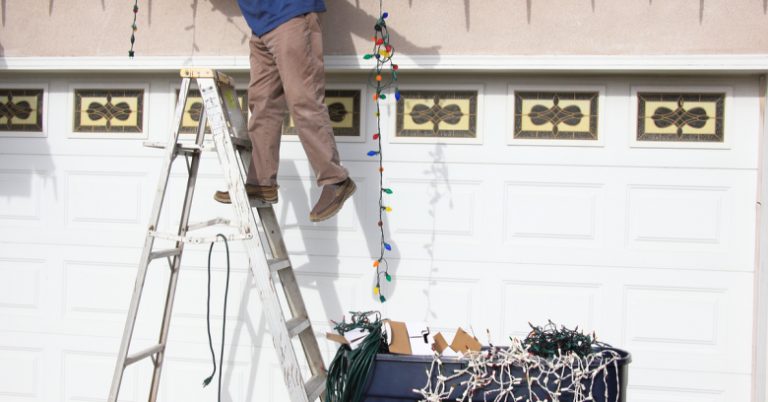
Hanging vertical light installations too low over living room furniture causes spatial interference, a classic christmas light mistakes design issue. Balance double-height ceilings by suspending star-shaped lanterns or fairy light curtains at least seven feet above cognac leather couches and plush wool area rugs. The golden 2700K light temperature bathes high walls in soft warmth, emphasizing timber beams and layered wall art.
Measure clearance heights carefully before mounting ceiling hooks to keep walkways and seating completely unobstructed. Use adjustable transparent monofilament cord to hang light fixtures effortlessly at varying, deliberate focal heights.
12. Main Tree Light Density Errors
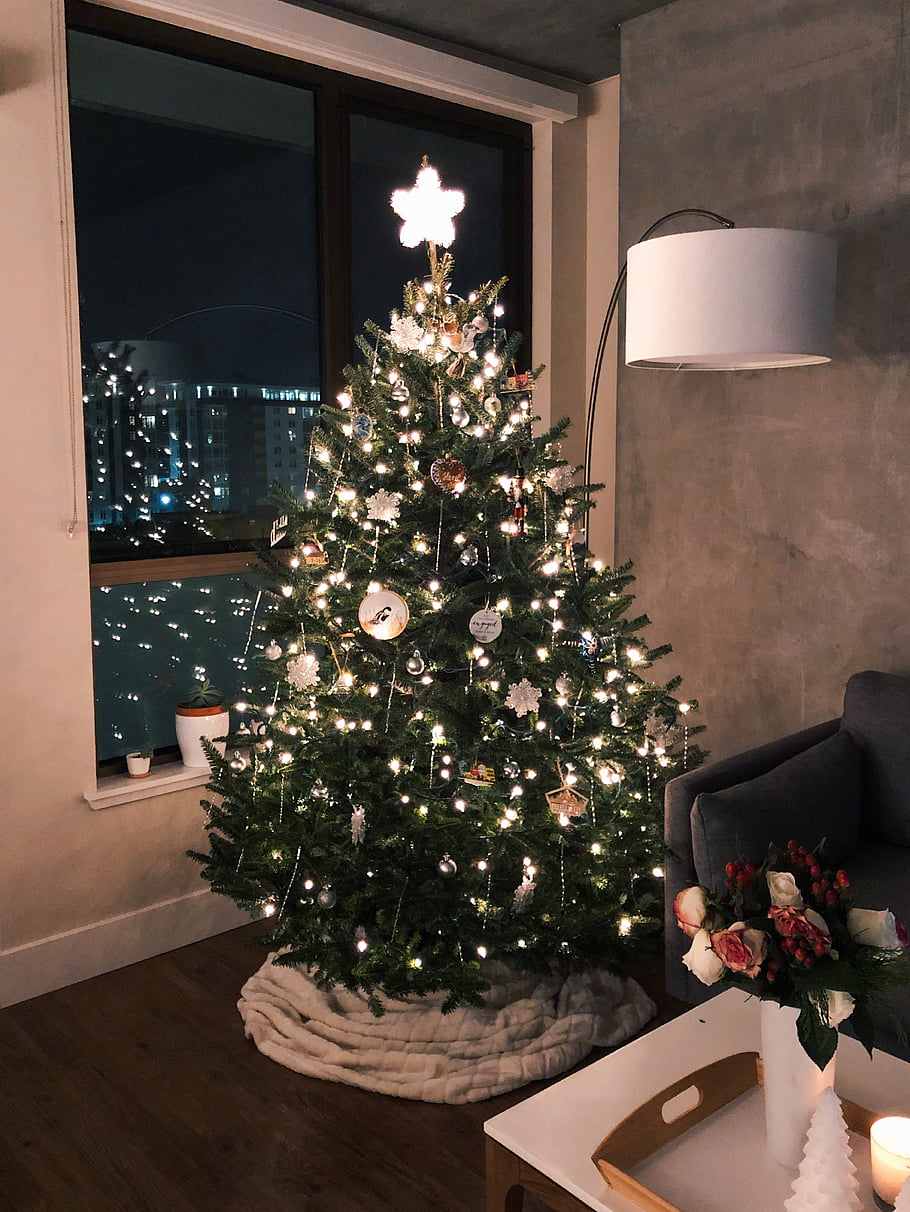
Surface-wrapping lights around the outer tips of a Christmas tree leaves the interior core dark, a widely recognized christmas light mistakes error. Weave string lights deep within branches toward the trunk to create multidimensional depth that illuminates glass baubles, brass ornaments, and velvet ribbons. A warm ambient color scheme pairs beautifully with champagne gold tinsel, natural pinecones, and boucle tree skirts.
Plan for approximately one hundred lights per foot of tree height to achieve full, luxurious illumination. Test all light strands prior to tree placement to avoid tedious strand replacements mid-decorating.
13. Facade Uniformity and Timer Lapses
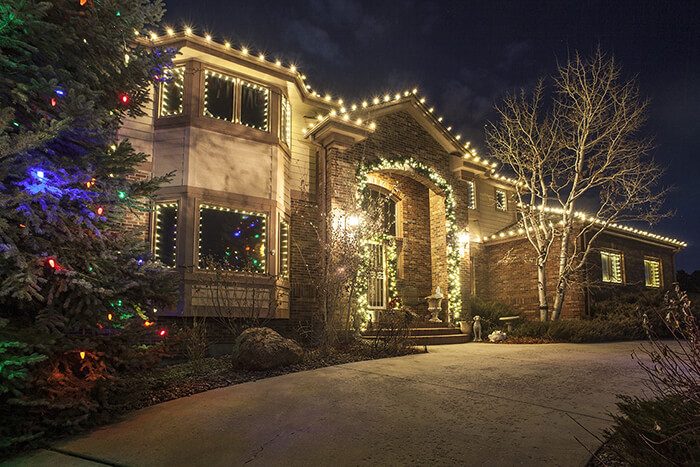
Uncoordinated light schedules where window strands and roofline bulbs turn on at different times rank among common christmas light mistakes. Achieve harmonious symmetry by linking all exterior and front-window lights to smart outdoor timers set to dusk. The warm 2700K lights flatter smooth stucco walls, charcoal window frames, and cedar accent paneling while framing interior living room views.
Group lights onto smart plug hubs so you can easily adjust schedules and power output from a smartphone app. Replace standard mechanical dial timers with astronomical smart plugs that auto-adjust for changing sunset hours.
14. Spotlight Glare and Accent Misplacement

Aiming powerful landscape floodlights directly into living room windows is an uncomfortable christmas light mistakes blunder. Position low-wattage warm LED spotlights at forty-five-degree angles to highlight rough-hewn stone columns, cedar porch posts, and evergreen trees instead. This indirect illumination accentuates architectural textures while preserving a cozy, glare-free indoor atmosphere for nighttime relaxing.
Shield spotlights behind boxwood shrubs or decorative stone borders to keep light fixtures hidden from view. Opt for adjustable beam angles so you can narrow the spotlight spread strictly onto desired architectural pillars.
3. Horizontal Trim Wire Visibility
15. Horizontal Trim Wire Visibility
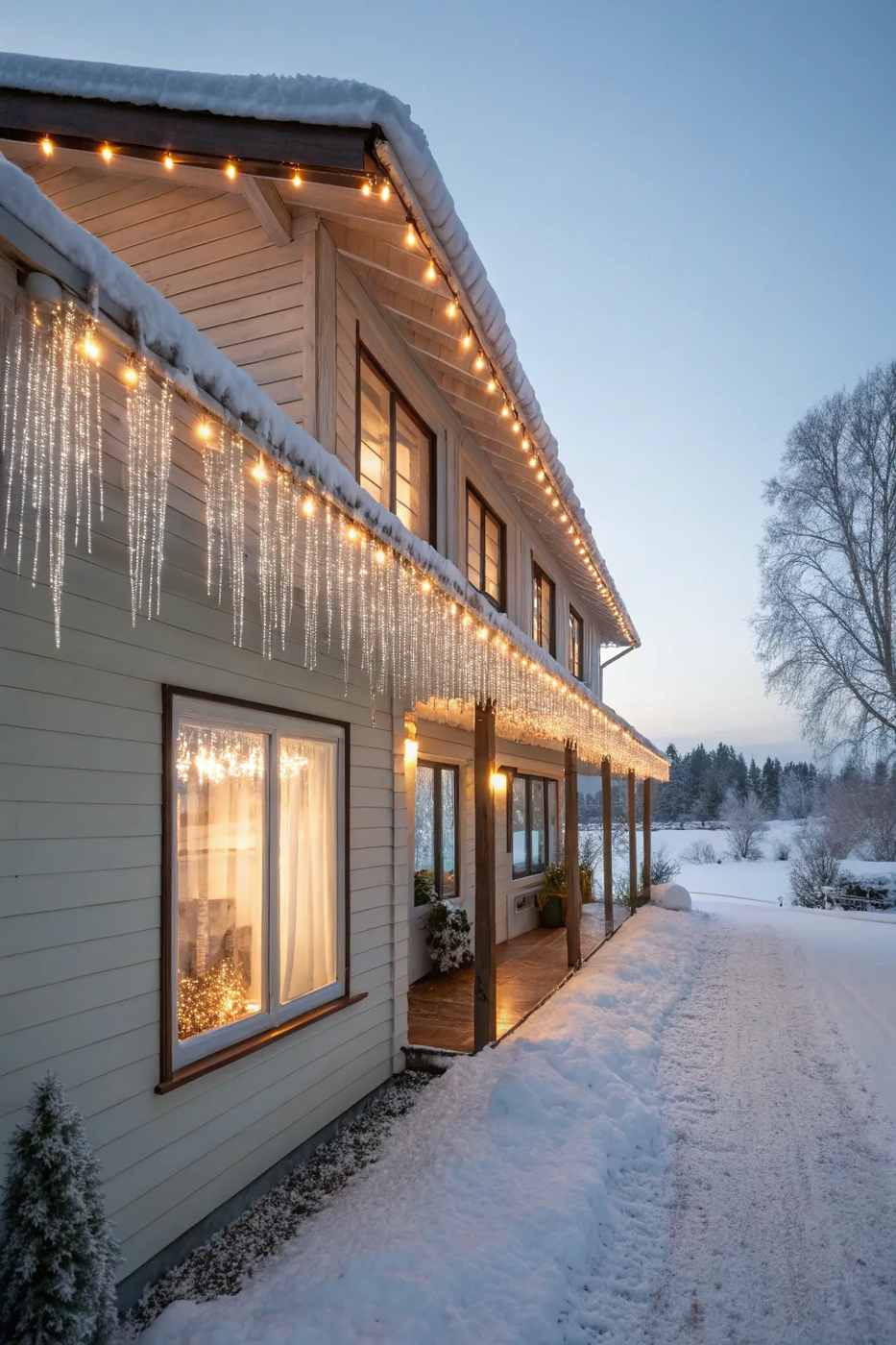
Leaving bright white wiring visible across dark cedar eave panels is a noticeable christmas light mistakes oversight on ranch-style homes. Conceal wiring by utilizing magnetic light clips or custom-painted gutter tracks that match dark trim tones perfectly. The resulting low-profile 2700K ambient light strip accentuates long horizontal rooflines, earthy stone walls, and warm indoor window views.
Paint mounting clips to match your home exterior trim color prior to installation for complete visual integration. Tuck excess wire slack snugly into gutter lips or soffit seams to maintain a streamlined horizontal profile.
16. Surface Damage Hanging Clips
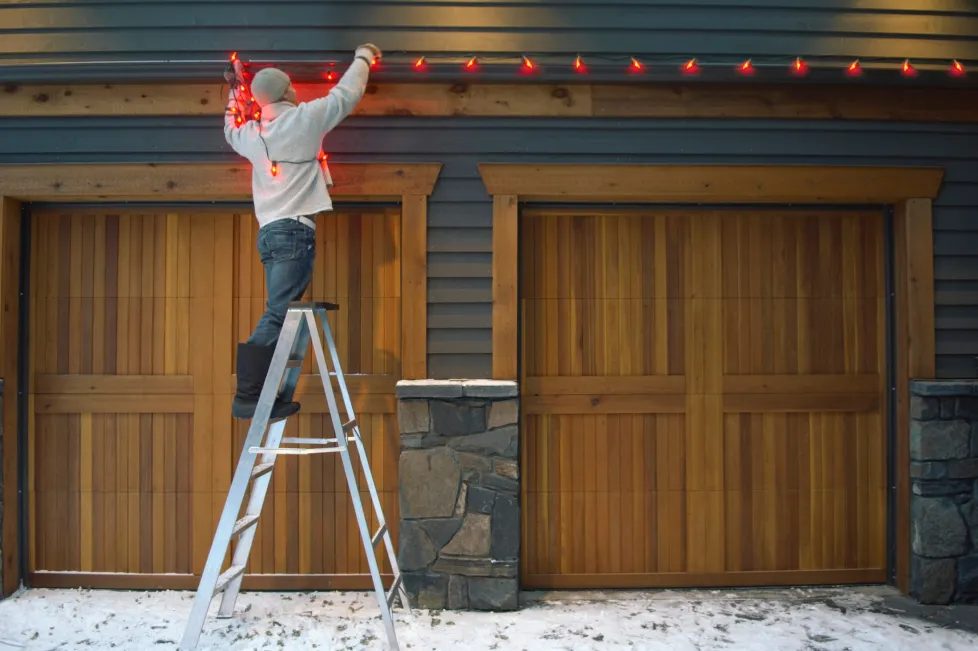
Hammering nails or driving staples directly into finished interior door frames and exterior fascia is a costly christmas light mistakes habit. Protect delicate oak casings, painted baseboards, and window trim by using heavy-duty adhesive clips or insulated vinyl hooks. These safe mounting solutions support light strands woven around garland, ensuring a pristine backdrop for plush furniture and warm wood accents.
Clean wood surfaces with rubbing alcohol before applying adhesive hooks to guarantee maximum hold during winter months. Pull adhesive tabs straight down along the trim when removing hardware after the holiday season to protect paint.
17. Hearth Safety and Light Layering
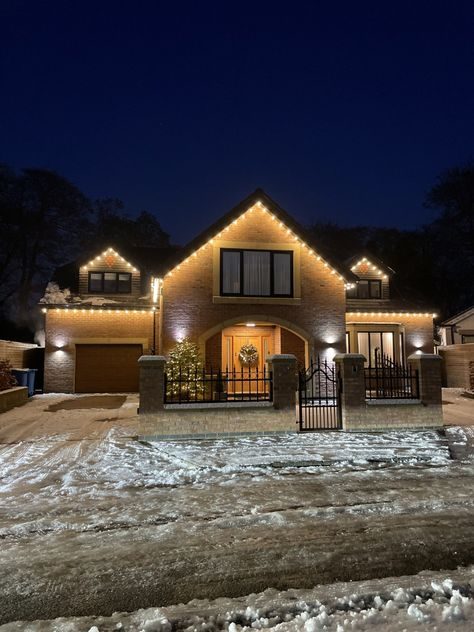
Running unrated indoor string lights too close to active fireplace hearths poses severe safety risks, making it a critical christmas light mistakes issue. Elevate hearth decor safely by placing battery-operated micro-LED fairy lights inside heavy glass cloches or metal lanterns on stone hearth steps. Pair these soft ambient light points with chunky knit throw blankets, walnut wood logs, and neutral linen hearth cushions.
Maintain at least eighteen inches of clearance between string lights and open hearth openings or wood stove surfaces. Choose fire-retardant artificial greenery garlands when decorating near high-temperature fireplace surrounds.
18. Window Frame Illumination Depth
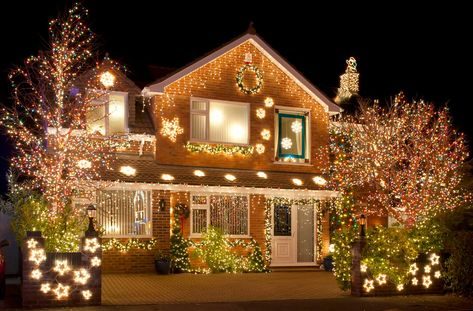
Mounting oversized, glaring light bulbs inside window frames creates intense glass glare, standing out among common christmas light mistakes. Frame windows elegantly using micro-wire fairy lights integrated with sheer linen drapery, eucalyptus garlands, and brass candle sconces. The delicate 2700K glow casts a soft ambient wash across living room window nooks, framing indoor greenery and cozy accent chairs.
Mount light strands along the interior curtain rod rather than directly against window glass to prevent reflection double-imaging. Use warm micro-LED copper wires that bend easily around curtain hardware for clean, hidden support.
19. Grand Living Room Canopy Scale
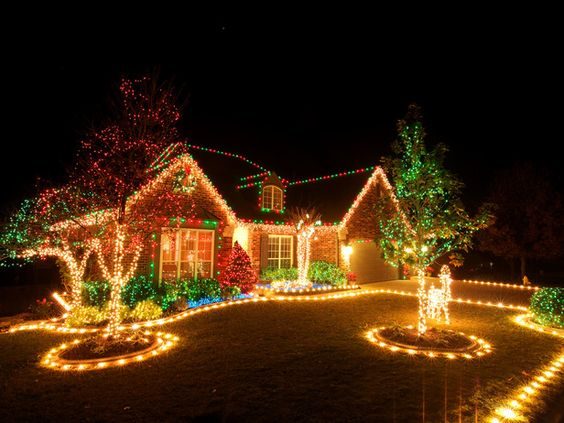
Undersizing ceiling light canopies in open-concept living rooms leaves grand spaces feeling empty and cold, a frequent christmas light mistakes occurrence. Drape multiple warm light strands crisscrossed overhead between ceiling beams to create an intimate starry canopy over velvet sectional sofas and oak coffee tables. Complement the ambient glow with rich emerald, deep rust, and brushed gold textures across throw pillows and area rugs.
Anchor overhead canopy support wires to sturdy ceiling joists using rated eye bolts to support long light spans safely. Connect canopy light systems to wall dimmer switches to transition effortlessly from festive entertaining to low-lit film nights.
20. Mixing Cool and Warm White Light Temperatures
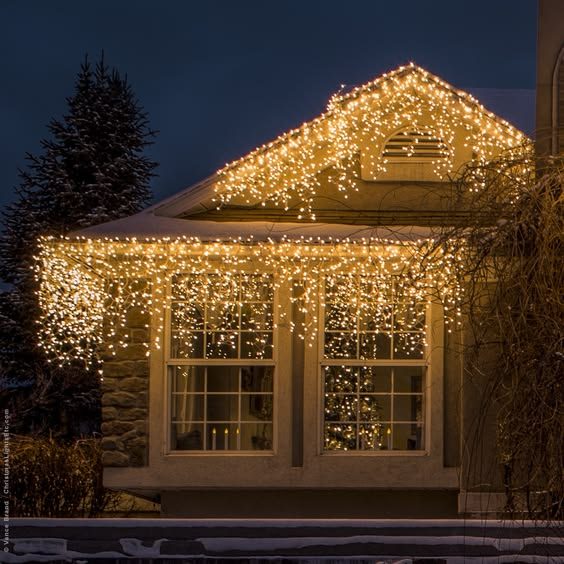
Mixing 2700K warm yellow fairy lights with 6000K cool blue LED strands is a common christmas light mistake that creates visual chaos across your living room mantle. Layering rich brass candleholders, burgundy velvet ribbons, and frosted pine needles requires a unified ambient glow to highlight natural textures. When light temperatures clash, the soft warmth of organic wood accents and linen stockings gets completely washed out.
Stick to a single color temperature throughout an open-concept space to maintain visual harmony. For smaller rooms, warm white 2700K LEDs offer a budget-friendly cozy feel that transitions seamlessly from holiday gatherings to winter hygge decor.
21. Matching Dark Wires to Pale Flocked Foliage
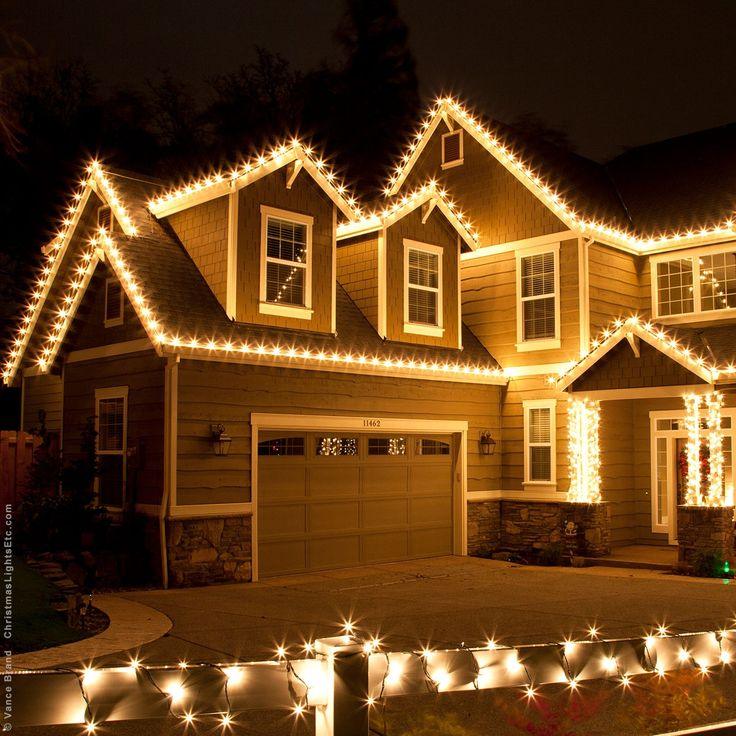
Wrapping a dark green light wire around heavily flocked white garland creates unsightly black lines that break up your winter wonderland aesthetic. To highlight snowy pine needle textures, eucalyptus sprigs, and champagne gold ornaments, wire color must match the background foliage. Soft ambient illumination should filter through the frost without exposing harsh electrical strands across your entryway console.
Always select clear, white, or silver copper wires when decorating flocked trees or birch branches. If you are on a budget, tuck exposed dark cords deep into the foliage core using florist wire for easy seasonal concealment.
4. Unbalanced Perimeter Window Frame Stringing
22. Unbalanced Perimeter Window Frame Stringing
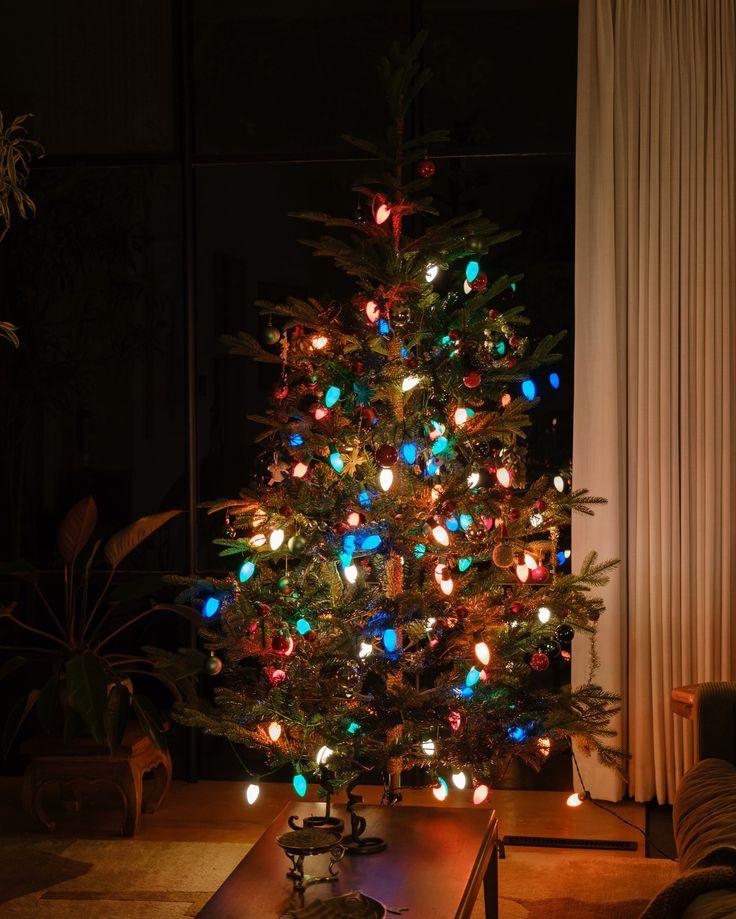
Taping string lights loosely around window trim creates sagging lines that look messy from both the street and your living room interior. A balanced window display requires crisp vertical lines that accentuate linen drapes, cedar wreaths, and polished brass curtain hardware. When light placement lacks symmetry, it distracts from elegant holiday sill displays and focal point candles.
Use clear adhesive wire clips instead of tape to keep string lights tight and straight along window casings. In small apartments, framing a single central window with micro fairy lights adds instant curb appeal without overcrowding limited floor space.
23. Surface Draping Lights Without Branch Anchors
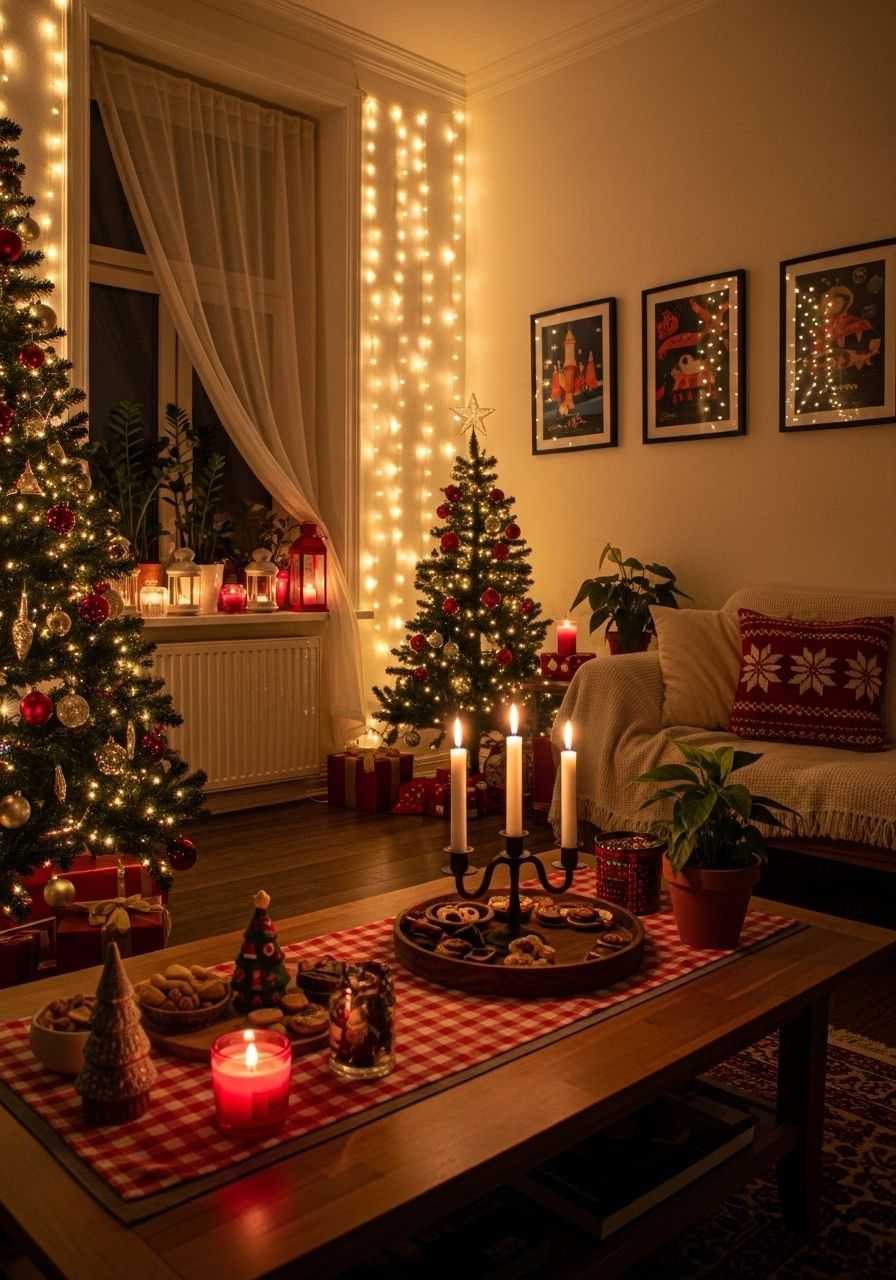
Simply draping light strands over the tips of tree branches leaves drooping wires prone to snagging and falling under heavy ornaments. A properly styled christmas tree weaves lights deep into the interior trunk, illuminating realistic pine bark, glass baubles, and satin ribbons from within. This dimensional layering technique transforms flat greenery into a glowing, multi-textured centerpiece.
Anchor your lights by weaving the strand twice around sturdy inner branches before working outward to outer tips. This approach keeps cords taut, hides excess wiring, and provides a sturdy base for lightweight clip-on ornaments.
24. Overpowering Delicate Mantels with High-Wattage Bulbs
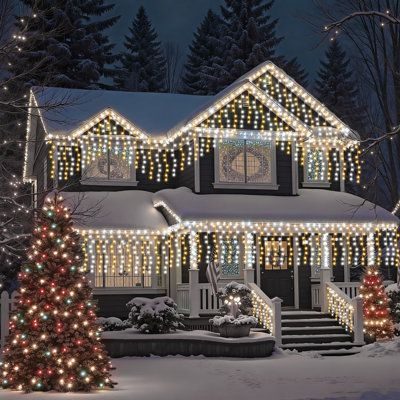
Installing large outdoor C9 bulbs on an indoor fireplace mantle creates intense glare that overpowers delicate ceramic village houses and heirloom stockings. Indoor hearth displays call for subtle, low-voltage micro fairy lights that gently cast warm shadows across stone, brick, or carved wood surrounds. Soft lighting highlights intricate mantle textures rather than blinding guests during cozy evening gatherings.
Swap high-wattage strands for battery-operated micro LEDs equipped with built-in timers for effortless daily ambiance. Budget-conscious decorators can add dimmable plug-in adapters to existing light strands to control brightness levels instantly.
25. Incorrect Scale Bulbs on Small Tabletop Trees
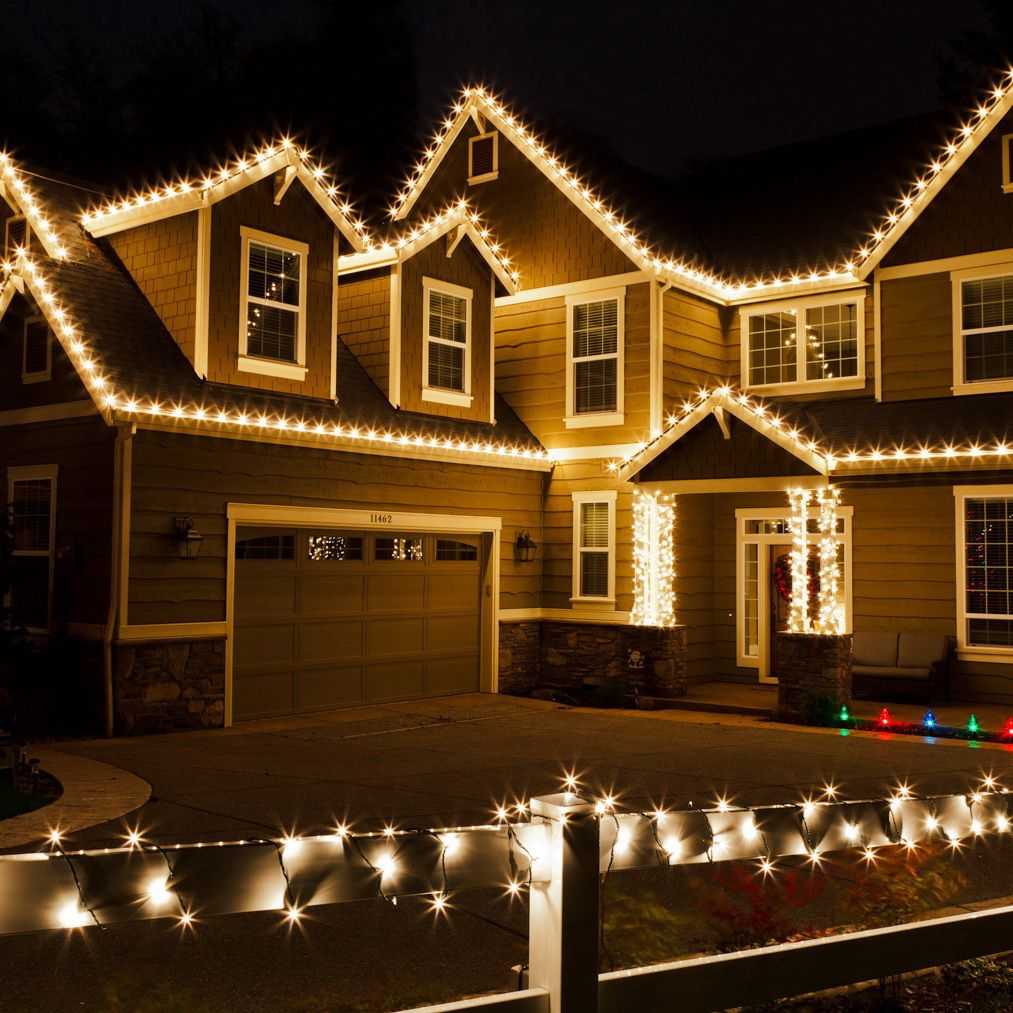
Wrapping heavy standard-sized LED bulbs around a small tabletop pine tree creates awkward proportions and causes delicate branches to droop downward. Petite trees demand fine-wire micro lights or seed bulbs that match their scale, accentuating mini glass balls, burlap pots, and small star toppers. Proportional lighting ensures the charming texture of dwarf spruce needles remains the hero of your sideboard display.
Choose wire-strand fairy lights with battery boxes that can be easily concealed inside decorative cachepots or baskets. After the holidays, transition these mini lighted trees into winter neutral decor by removing colored ornaments.
26. Stringing Lights Exclusively on Outer Foliage Edges
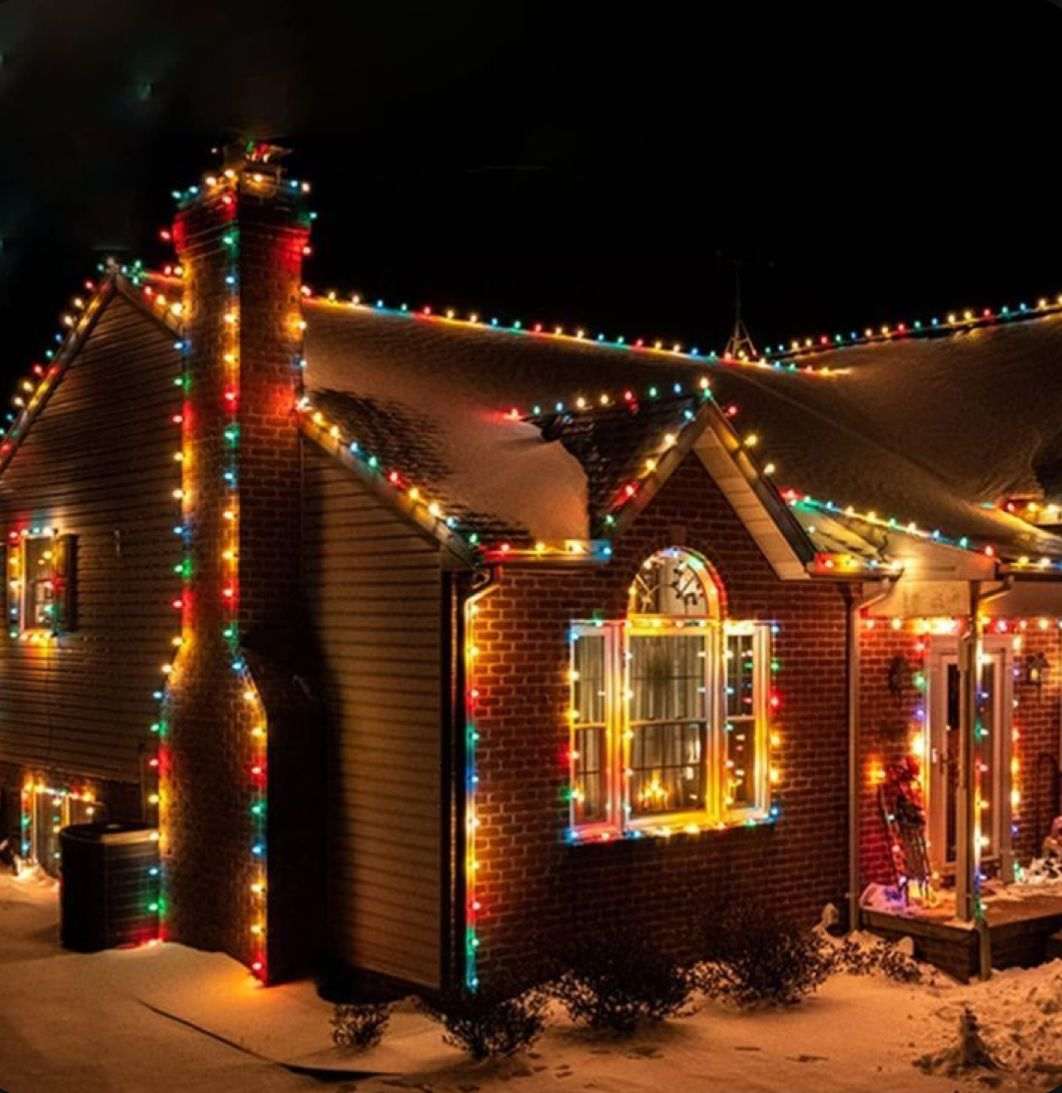
Wrapping lights only around the exterior perimeter of a Christmas tree leaves the trunk in total darkness, creating a hollow visual hole in your living room corner. Deep branch wrapping distributes warmth from the center out, illuminating matte glass baubles, linen ribbons, and natural wood ornaments evenly. This technique highlights rich foliage textures and provides depth that makes any artificial or real tree look substantially fuller.
Plan for roughly 100 lights per vertical foot of tree height, pushing half of each strand deep toward the main trunk. This economical trick maximizes visual fullness without needing to buy expensive heavy-density artificial trees.
27. Weighing Down Staircase Swags with Bulky Cords
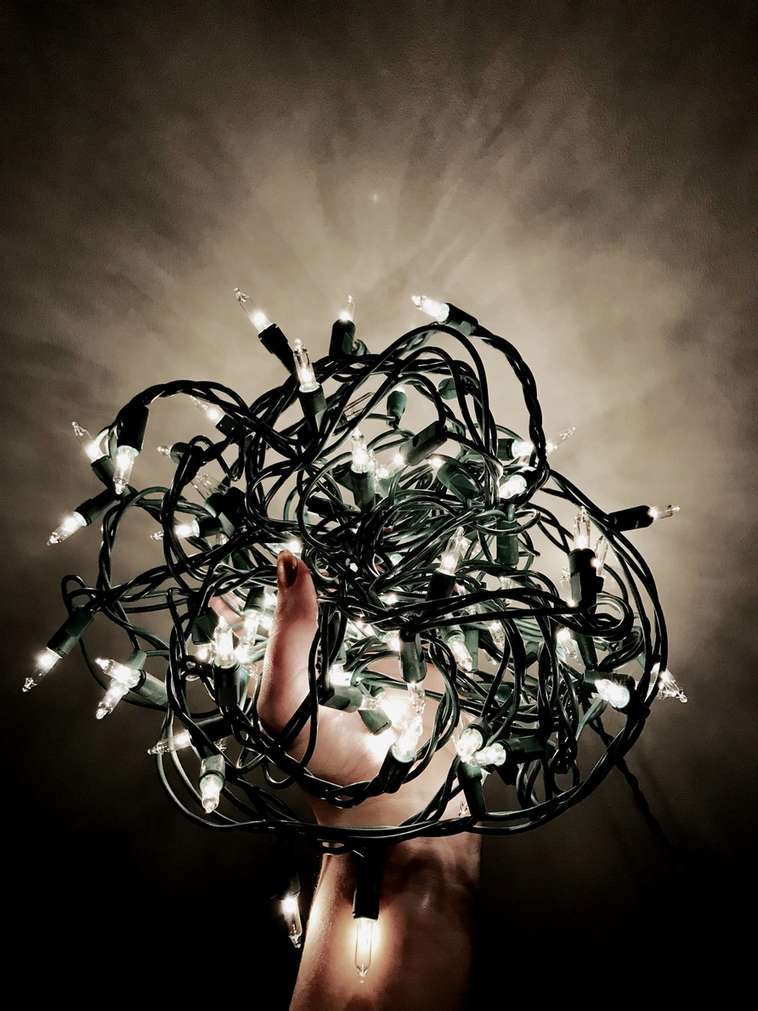
Dragging heavy outdoor extension cords along an open staircase banister creates unsightly sags and risks pulling delicate garland off its mountings. Elegant staircase swags rely on lightweight copper or silver micro wires that seamlessly weave through faux cedar, pinecones, and trailing silk ribbons. Proper cord weight management maintains graceful architectural lines while casting a gentle glow on wooden steps and risers.
Secure light strands directly to banister posts using floral wire wrapped in green florist tape to prevent slip. In small entryways, battery-operated LED packs hidden inside decorative stocking tops eliminate dangerous floor cord tripping hazards.
28. Installing Harsh Overhead String Light Canopies
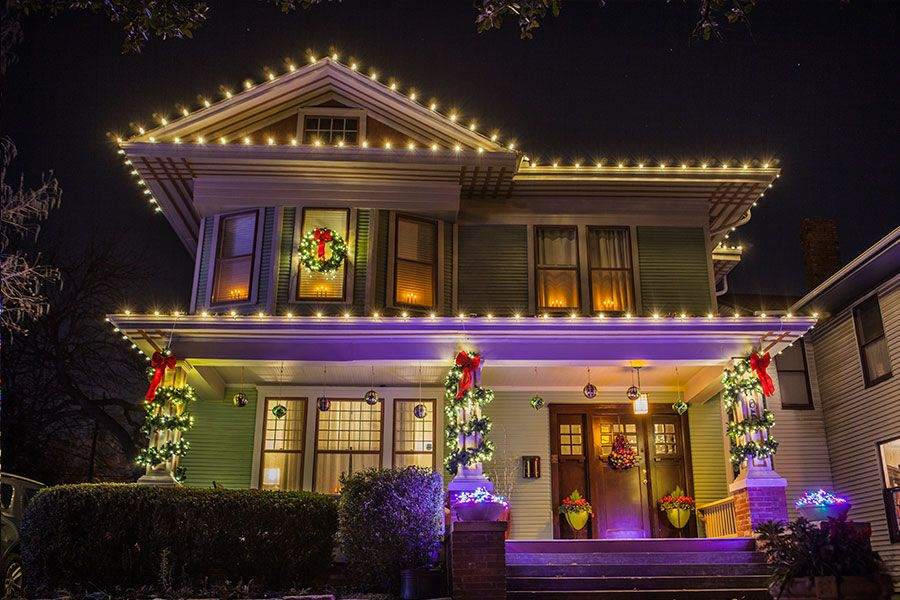
Crisscrossing high-density unshielded fairy lights low over a dining table creates harsh direct glare that disrupts intimate dinner conversations. Overhead holiday lighting should function as a soft canopy, casting warm ambient light across ceramic tableware, crystal glassware, and linen table runners. Over-illuminating the ceiling plane ruins the dim, candlelight atmosphere essential for sophisticated holiday entertaining.
Suspend fairy lights inside a fresh eucalyptus or evergreen ladder fixture hung above the table to diffuse direct glare. Using warm, dimmable LED strands allows you to easily adjust ambient levels from prep time to dinner service.
5. Pulling and Forcefully Stretching Tangled Light Strands
29. Pulling and Forcefully Stretching Tangled Light Strands
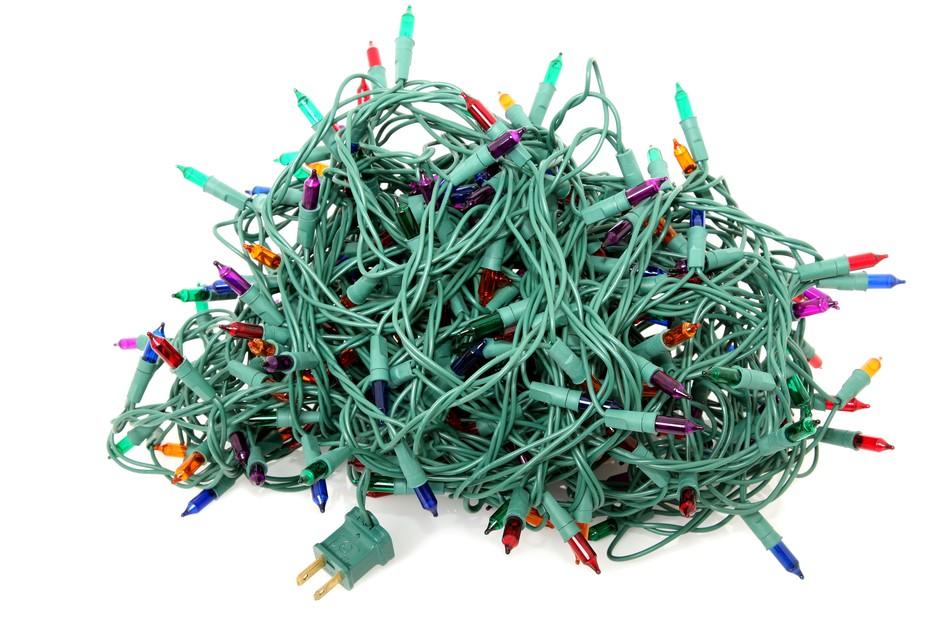
Yanking on a chaotic mass of tangled light strands damages internal wiring, leads to burnt-out bulb sections, and ruins your decorating momentum. Taking time to carefully unspool lights allows you to inspect bulb connections before wrapping them into lush evergreen garlands or around hearth mantels. Damaged, stretched wires are a safety hazard and compromise the polished look of your carefully curated holiday vignettes.
Wrap light strands around heavy cardboard cutouts or dedicated plastic cord reels before storing them in dry storage totes. Label each reel by cord length and bulb color to streamline your seasonal setup process next winter.
30. Unspooling Tangled Wires Over Delicate Interior Surfaces
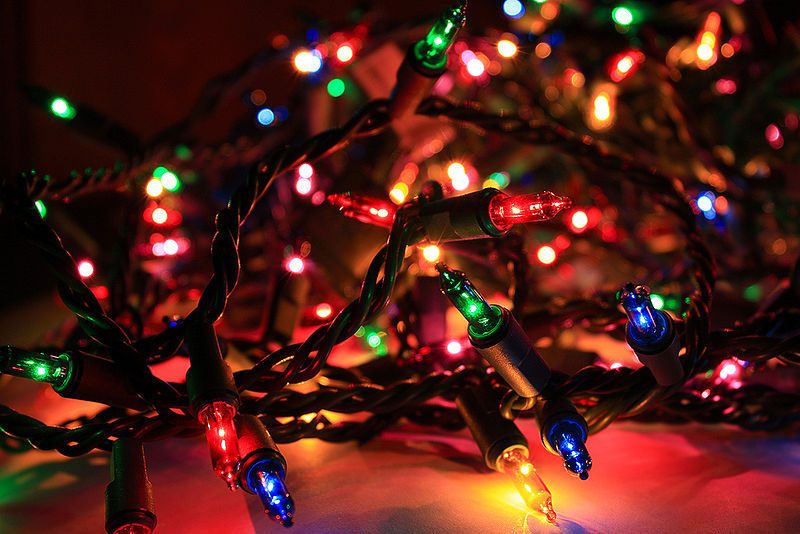
Dumping a knotted mess of holiday light strings directly onto polished wood dining tables or glass coffee tables can cause unwanted scratches and finish damage. Scratched wood surfaces detract from natural oak grain, polished brass candle trays, and pristine holiday linens during family gatherings. Preparing your lighting gear on padded work surfaces ensures your furniture stays pristine throughout the frantic setup period.
Lay a canvas drop cloth or heavy felt blanket over your table before unpacking and testing string lights. This simple, free step protects high-end furniture finishes while providing a clear workspace for sorting strand lengths.
31. Leaving Bulky Extension Plugs Visible in Open Views
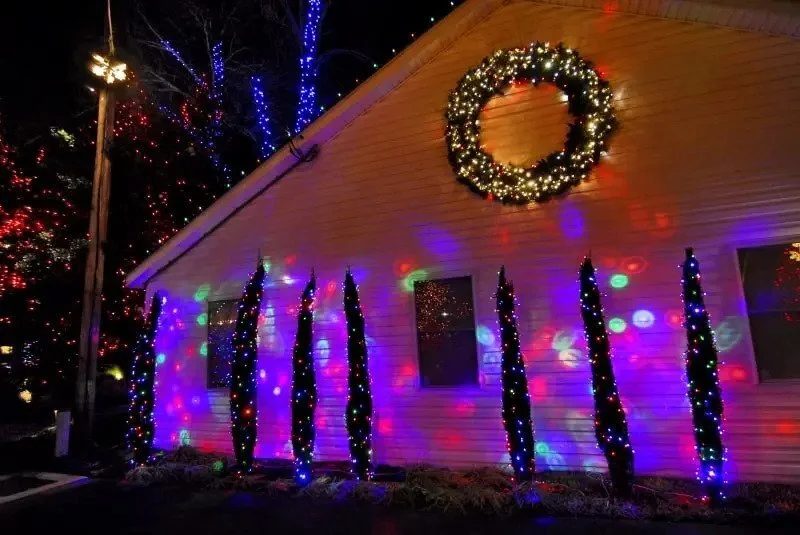
Allowing thick black electrical plugs and bulky power adapters to hang exposed beneath styled console tables ruins the refined aesthetic of your decor. Seamless Christmas styling conceals connections behind woven storage baskets, heavy ceramic pots, or low-profile furniture bases. When electrical connections remain visible, they disrupt the seamless flow of warm lighting across textured walls and holiday greenery.
Wrap exposed white or black plug junctions in green floral tape or tuck them behind decorative hearth log holders. Use flat-plug extension cords that lie flush against baseboards for a clean, professional designer finish.
32. Asymmetrical Light Spacing Across Banister Swags
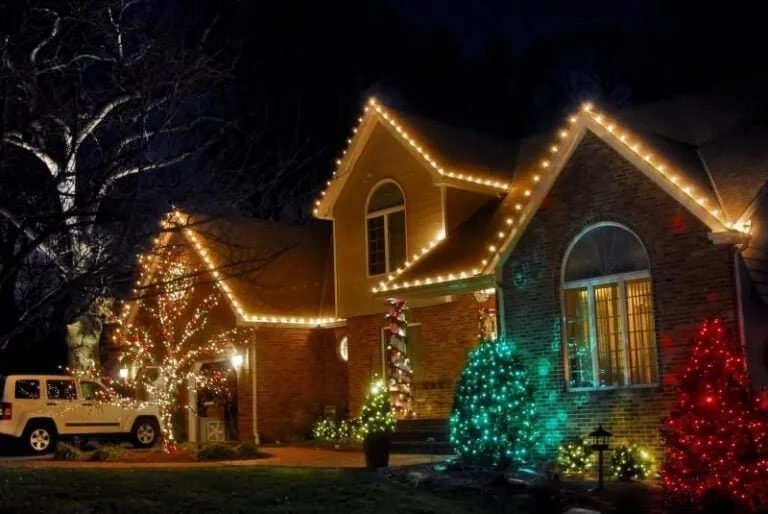
Clustering string lights densely at the top of a staircase banister while leaving bottom swags dimly lit creates unbalanced visual weight. Symmetrical illumination highlights the fluid sweeping movement of cedar garlands, brass bell clusters, and sheer organza ribbons. Consistent spacing ensures that every step receives an equal glow, creating an inviting, safe entry pathway during holiday parties.
Measure your banister length beforehand and space lights evenly using standard hand-width gaps between wraps. For tight budgets, use battery-operated fairy light strings with built-in spacing so you never run out of cord halfway down.
33. Uneven Spiral Wrapping on Architectural Columns

Wrapping lights unevenly around interior architectural columns or entryway posts results in slanting, sloppy cord lines that draw negative attention. Clean, tight spiral spacing emphasizes crisp white trim, fluted millwork, and flanking potted topiary trees. When light rows dip and sag, the crisp architectural structure of your foyer or porch appears chaotic and unfinished.
Use painter's tape temporarily to mark equal 6-inch increments up the column before starting your spiral wire wrap. Secure top and bottom wire ends with zip ties tucked under greenery to hold the tension all season long.
34. Neglecting Ambient Fill in High-Ceiling Living Rooms
Relying solely on a glowing Christmas tree to illuminate a vaulted living room leaves upper corners in shadow, creating a cold ambient mood. Balancing high-ceiling spaces requires secondary light sources like mantle fairy lights, glowing window wreaths, and warm floor lamp fills. Layering warm glows at varying heights visually connects floor-to-ceiling drapery, exposed wood beams, and cozy seating arrangements.
Place warm uplights behind potted floor plants or high furniture cabinets to bounce soft light off elevated ceilings. This technique creates a luxurious custom look without requiring expensive overhead fixture installations.
35. Using Rapidly Flashing Lights in Cozy Seating Zones
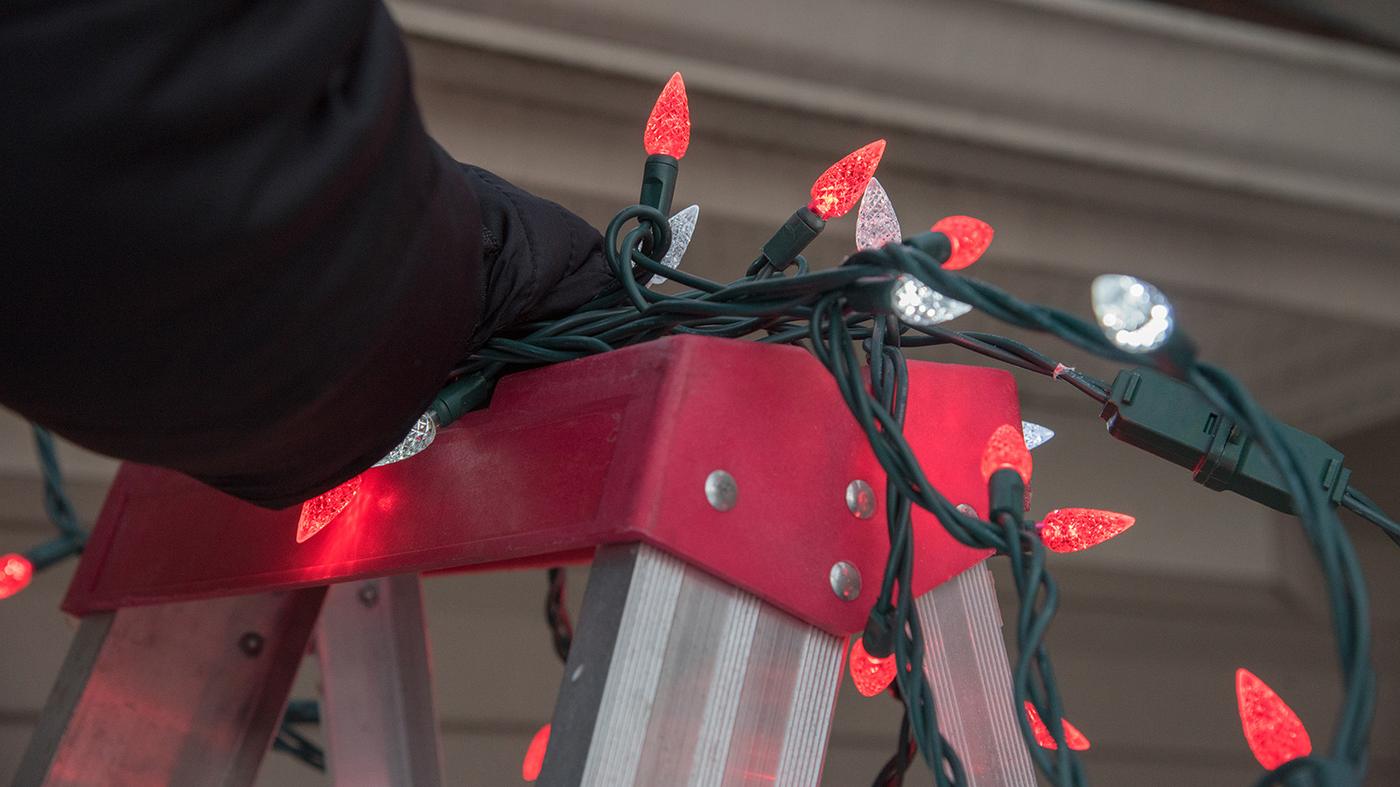
Setting indoor fairy lights to rapid flash or strobe mode transforms a relaxing living room into a jarring, uncomfortable environment for guests. High-end holiday interiors rely on static warm glows or gentle slow-twinkle effects that complement soft wool throws, velvet pillows, and crackling fireplaces. Restrained ambient lighting enhances cozy textures and invites quiet conversation during dark winter evenings.
Select light sets with multi-function controllers that offer a slow fade or steady-on option for quiet indoor spaces. Save rapid flashing modes for outdoor garden displays where dynamic movement can be enjoyed from a distance.
6. Overloading Single Power Strips Behind Hearth Decor
36. Overloading Single Power Strips Behind Hearth Decor
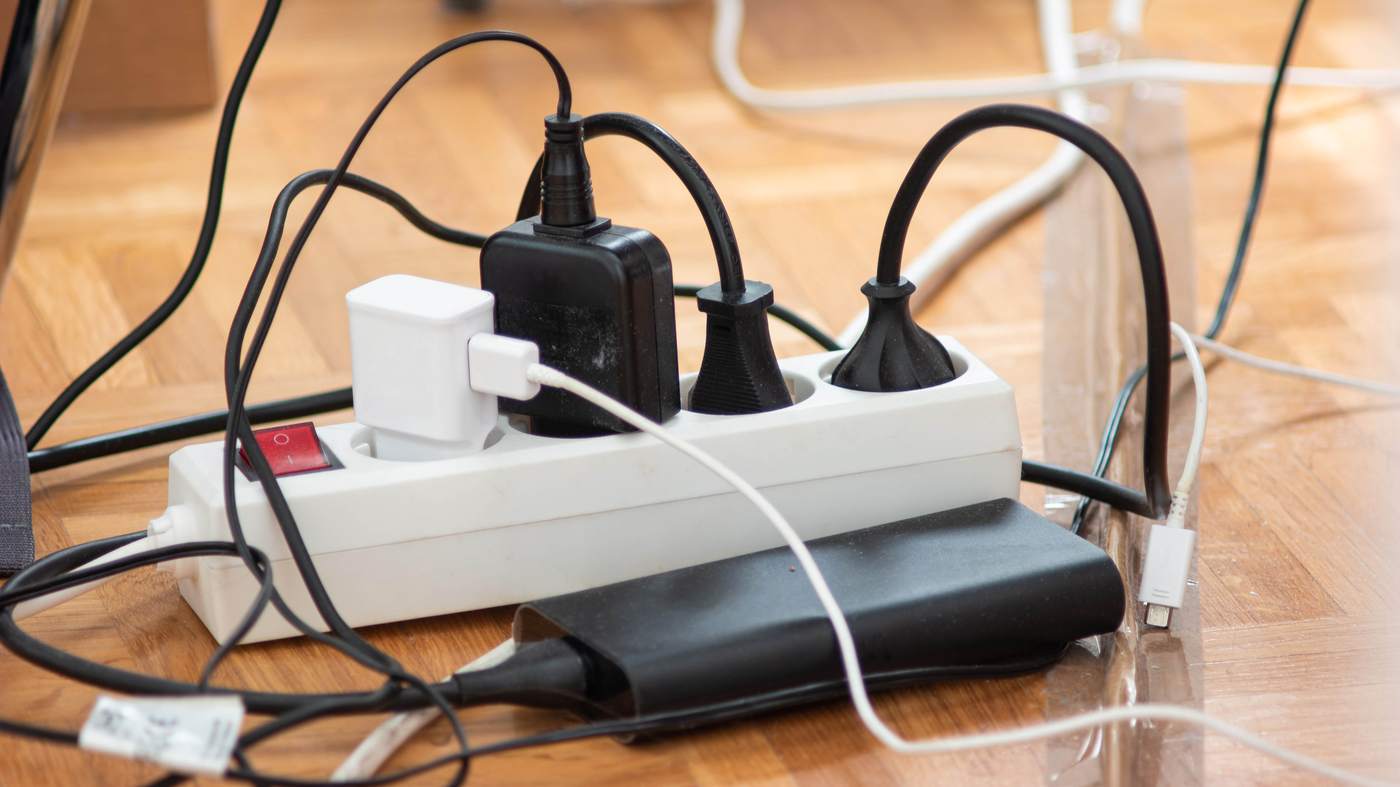
Plugging dozens of heavy-duty light strands into a single overloaded power strip behind your fireplace mantle poses serious safety and aesthetic risks. Stacking multiple bulky adapters creates an unsightly cluster of cords that overflows onto stone hearths and wool rug runners. Clean holiday design prioritizes sleek, low-profile power management that keeps wiring hidden while preventing blown fuses during festivities.
Distribute electrical loads across multiple outlets using multi-timer adapters equipped with internal circuit breakers. Select slim, flat extension cords in tone-on-tone neutral colors that blend seamlessly into your baseboards and flooring.
37. Hanging Light Strands Without Pre-Testing Bulbs
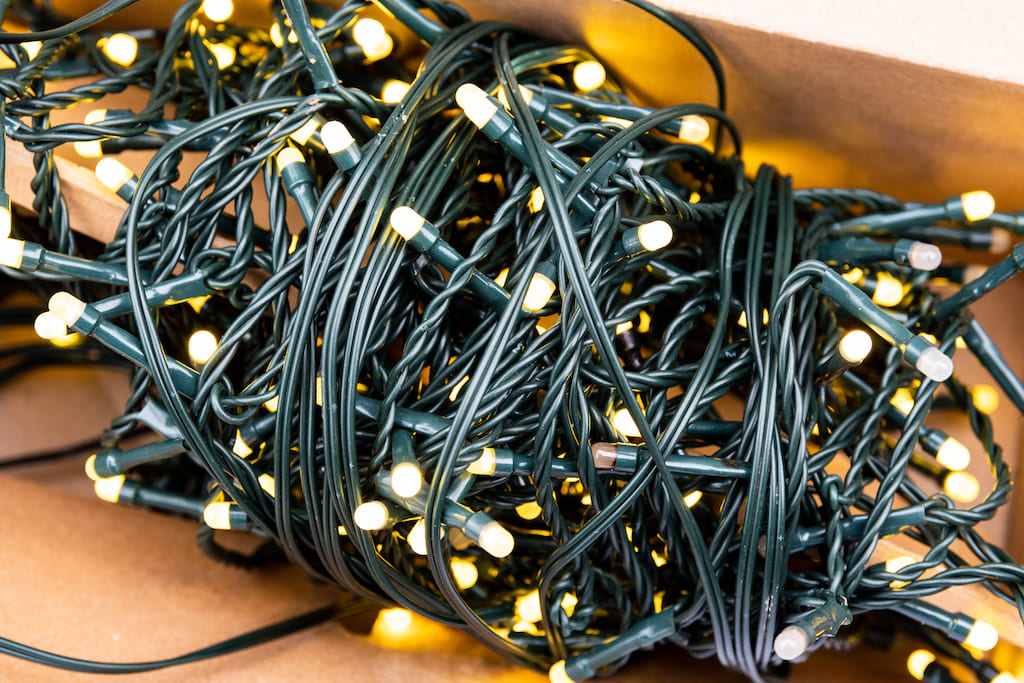
Spending hours carefully weaving light strands into a tall Christmas tree only to discover a dead section is a deeply frustrating decorating mistake. Pre-testing light strands on the floor ensures every bulb glows warmly before cords are woven into pine branches and surrounded by delicate glass ornaments. Unlit dead zones interrupt the continuous ambient glow, forcing you to dismantle finished garlands and ornament arrangements.
Plug in every strand while still coiled on the spool to verify complete bulb functionality before hanging. Keep a small box of replacement bulbs and spare fuses in your holiday decor kit for quick on-the-spot repairs.
Essential Decor Takeaways
- Layer Warm Ambient Lighting: Incorporate 2400K–2700K fairy lights or hidden puck lights to create cozy depth.
- Balance Tactile Textures: Combine raw natural timber, stoneware pottery, and woven runners for rich sensory interest.
- Corral with Trays & Pedestals: Group daily essentials onto distinct risers to prevent countertop clutter.
- Save your favorite setups directly to your Pinterest boards!
Frequently Asked Questions
Q: How do I style seasonal decor in small spaces?
A: Focus on vertical footprint using wall cubbies, floating ledges, or tiered rolling carts to keep prep surfaces free.
Q: How can I make seasonal styling look upscale?
A: Choose muted earth tones, stoneware pottery, and antiqued brass instead of bright plastics.
Transforming your home with curated decor ideas brings daily joy, comfort, and personal expression. Save your favorite designs to your Pinterest boards and explore more styling guides on Decor Canvas!